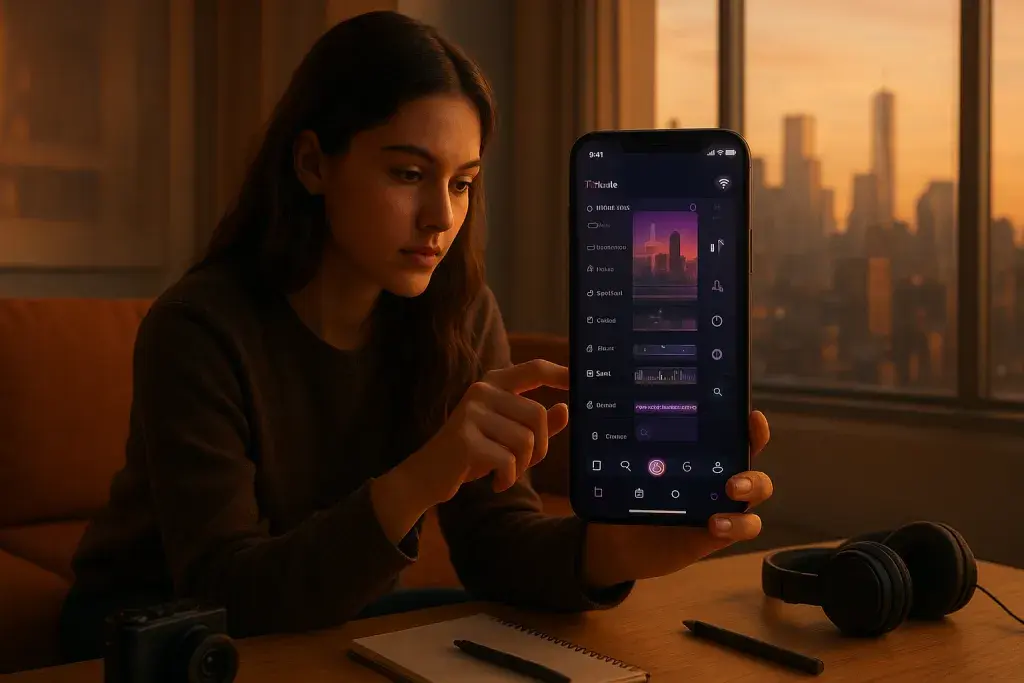
A video editor that lives inside a social app, works offline, and still syncs your project the moment you reconnect - that combination is rarer than it sounds. Instagram Edits app was built around that exact promise, and it changes how people approach short-form video before a single clip is even filmed. Instead of jumping between three or four apps to trim, color-grade, and caption a clip, creators now have a single environment purpose-built for Reels-style content.
What makes this tool worth examining is not just the feature list but the workflow logic behind it. Editors who have spent years cutting footage in traditional software will notice that Instagram Edits app what is, at its core, a mobile-first response to a very specific problem: short videos need fast turnaround without sacrificing polish. The app tracks performance data alongside the editing timeline, so creators can see how a draft might land before publishing. For anyone whose growth strategy also involves paid or organic promotion, pairing a finished edit with a service to boost video on instagram can extend reach well beyond the initial posting window, which is part of why editing speed and content quality matter as much as they do.
This piece breaks down the mechanics of the app, its current feature set, how it stacks up against alternatives, and what changes are expected as the platform moves toward its next development cycle. Anyone who creates video content regularly will find practical value here, whether the goal is a faster workflow or a clearer understanding of where this tool is headed.
What Is the Instagram Edits App
Instagram Edits app is a standalone video creation and editing tool released by Meta, designed specifically for people who produce Reels and other short-form vertical video. Unlike the built-in editor found inside the main Instagram app, Edits operates as its own application with a dedicated interface, project storage, and a more complete set of editing tools. The distinction matters: the in-app Instagram editor is meant for quick adjustments right before posting, while Edits is built for actual production work - trimming, layering audio, adjusting pacing, and refining a video across multiple sessions.
The app answers a question many creators have asked for years: why does posting a polished short video require exporting from one app, importing into another, and re-uploading a final file? Edits consolidates that process. A project can be started, saved as a draft, revisited days later, and published directly to Instagram without leaving the ecosystem.
Core Purpose and Target Users
The app targets a specific audience: people who create video content as a routine activity rather than an occasional post. That includes small business owners marketing products, independent creators building an audience, and social media managers handling multiple accounts. Casual users who post a clip once a month may not need the full toolset, but for anyone publishing several times a week, the app addresses real friction points in the editing process.
How It Differs From the Standard Instagram Editor
The built-in Instagram camera and editing tools remain focused on speed - quick trims, basic filters, and simple text overlays applied moments before sharing. Edits, by contrast, includes a proper timeline, layered audio controls, and project management features that let a creator return to unfinished work. Where the standard editor treats a video as a single pass, Edits treats it as a project with revision history.
Key Features and How They Function
Understanding Instagram edits app explained at a feature level helps clarify why it has drawn attention from creators who previously relied on third-party software. The tool combines editing mechanics familiar from professional apps with shortcuts tailored to vertical video and Instagram's publishing requirements.
- Multi-clip timeline editing that allows trimming, reordering, and layering video segments in one continuous project.
- Audio tools including volume mixing, voiceover recording, and the ability to sync music to specific moments in a clip.
- Text and caption overlays with adjustable timing, so on-screen text appears and disappears exactly where intended.
- Speed controls for slow-motion or fast-forward effects applied to individual clips rather than the whole project.
- Draft saving that preserves unfinished edits locally, so a project can be picked up later without losing progress.
- Direct publishing to Instagram, removing the need to export a file and re-upload it through a separate app.
These features are not experimental additions bolted onto an existing app - they form the backbone of how the tool is meant to be used. A creator filming a multi-part tutorial, for example, can shoot several segments, arrange them on the timeline, layer a voiceover explaining each step, and adjust pacing before publishing, all within one continuous session.
Editing Tools and Timeline Options
The timeline interface supports precise trimming down to individual frames, which matters for creators who need tight sync between audio cues and visual action. Clips can be split, reordered by dragging, and layered so that overlays or secondary footage appear above a primary track.
Draft Saving and Project Management
Projects save automatically as drafts, and multiple drafts can exist simultaneously. This is particularly useful for creators managing several content series at once, since each project retains its own timeline, assets, and edit history without interfering with others.
Performance Insights Within the App
The app surfaces basic performance context tied to published content, giving creators a sense of how similar edits have performed previously. This is not a full analytics suite, but it offers enough signal to inform decisions about pacing, length, and format before a video goes live.
How to Use the App Step-by-Step
Getting from a blank project to a published Reel follows a fairly consistent sequence, regardless of the video's length or subject matter.
- Open the app and start a new project, choosing whether to import existing footage or record directly within Edits.
- Arrange clips on the timeline, trimming each segment to the desired length and reordering as needed.
- Add audio - either a music track, a voiceover, or both - and adjust volume levels so dialogue and music balance correctly.
- Insert text overlays or captions, timing their appearance to match specific moments in the footage.
- Apply speed adjustments or transitions to individual clips where pacing needs emphasis.
- Preview the full edit, make final adjustments, and save the project as a draft if more work is needed.
- Publish directly to Instagram once the edit is finished, or export the file for use elsewhere.
This workflow mirrors traditional video editing software but compresses several steps that would otherwise require switching apps. A creator who previously exported from a mobile editor, imported into a captioning tool, and then uploaded to Instagram can now complete all three stages in one place.
Instagram Edits App Latest Updates and Changes
Meta has continued refining the app since its initial release, with updates focused on stability, additional audio controls, and closer integration with Instagram's publishing tools. The Instagram edits app latest version has introduced smoother handling of longer projects and improved syncing between drafts saved on-device and those backed up to an account.
Recent changes have also addressed a common early complaint: performance lag on longer timelines with multiple layers. Improvements to rendering speed mean that projects with several video and audio tracks now preview more responsively, which matters for creators working with multi-scene edits rather than single-clip videos.
Notable Improvements Over Previous Versions
Early versions of the app had a narrower toolset focused mainly on basic trimming and text. Subsequent updates expanded the audio mixing options, added more granular speed controls, and improved the reliability of draft saving - a feature that initially caused frustration when projects occasionally failed to preserve edits between sessions.
What These Updates Mean for Everyday Creators
For someone editing on a phone between other tasks, these changes translate into fewer interruptions. A project that once required careful, uninterrupted attention to avoid losing progress now tolerates being paused and resumed with far less risk. That reliability shift is arguably more valuable to daily users than any single new feature.
Comparing Instagram Edits App to Other Editing Tools
Placing this app alongside other mobile editing options clarifies where it fits in a creator's toolkit and where a different app might still be the better choice.
| Aspect | Instagram Edits App | General Third-Party Editors |
|---|---|---|
| Publishing integration | Direct posting to Instagram without export | Requires export and manual upload |
| Project focus | Optimized for vertical, short-form video | Often supports multiple aspect ratios and formats |
| Learning curve | Familiar to Instagram users, minimal setup | Varies widely depending on the app |
| Draft management | Native, tied to a single account | Depends on the specific app's storage system |
| Advanced effects | Focused on common creator needs | Some tools offer more extensive visual effects libraries |
Creators who work exclusively in short-form vertical content will likely find the Edits app sufficient for most projects. Those producing content across multiple formats - landscape videos for other platforms, for instance - may still need a secondary editor with broader aspect ratio support.
Common Mistakes and Practical Tips
Even a straightforward editing tool has usage patterns that lead to frustration if overlooked. A few recurring issues stand out among creators adopting the app for the first time.
- Ignoring draft management until dozens of unfinished projects accumulate, making it harder to locate the one currently in progress.
- Overlaying too much text on a single clip, which crowds the frame and reduces readability on smaller screens.
- Skipping audio balancing, resulting in voiceovers that get drowned out by background music.
- Publishing directly without previewing the full edit on a phone screen, missing timing issues visible only at actual playback size.
- Underusing speed controls, treating every clip at a uniform pace even when variation would improve rhythm and viewer retention.
Avoiding these habits comes down to a simple discipline: preview before publishing, name drafts clearly, and treat audio balance as seriously as visual composition. Creators who build these checks into their routine tend to produce noticeably more polished output over time.
What to Expect From Instagram Edits App in 2026
Looking toward Instagram edits app 2026, the direction of development suggests continued emphasis on closing the gap between mobile editing and desktop-level control, without sacrificing the speed that makes a mobile app practical in the first place. Expect further refinement of audio tools, since layered sound design remains one of the more technically demanding aspects of short-form video production.
It is reasonable to anticipate deeper integration between the app's performance insights and the broader Instagram analytics environment, giving creators a clearer picture of how specific editing choices - pacing, caption timing, clip length - correlate with viewer engagement. Whether Meta expands collaborative editing features, allowing multiple contributors to work on a single project, remains an open question, but the trajectory of updates so far points toward more collaborative and data-informed workflows rather than purely aesthetic additions.
Questions and Answers
Does the Instagram Edits app work without an internet connection?
Yes, editing itself functions offline since projects and footage are stored locally on the device. An internet connection is only required when publishing the finished video or syncing drafts to an account.
Can I import footage shot on a different app or camera?
Yes, the app supports importing existing video files from a device's camera roll, not just footage recorded directly within Edits. This makes it usable alongside other cameras or recording tools.
Is the Instagram Edits app free to use?
The app is available at no cost to download and use for standard editing and publishing functions. There are no separate charges tied to core editing features.
Will projects transfer if I switch phones?
Drafts tied to an Instagram account typically sync when the app is reinstalled and the same account is logged in, though purely local, unsynced drafts may not transfer automatically. It is worth confirming sync status before switching devices to avoid losing unfinished work.
How does this app compare to using Instagram's built-in Reels editor?
The built-in Reels editor is designed for quick, in-the-moment adjustments right before posting, while the Edits app supports longer, multi-session projects with a full timeline and draft system. Creators producing more involved edits generally benefit from the dedicated app rather than the built-in tool.